
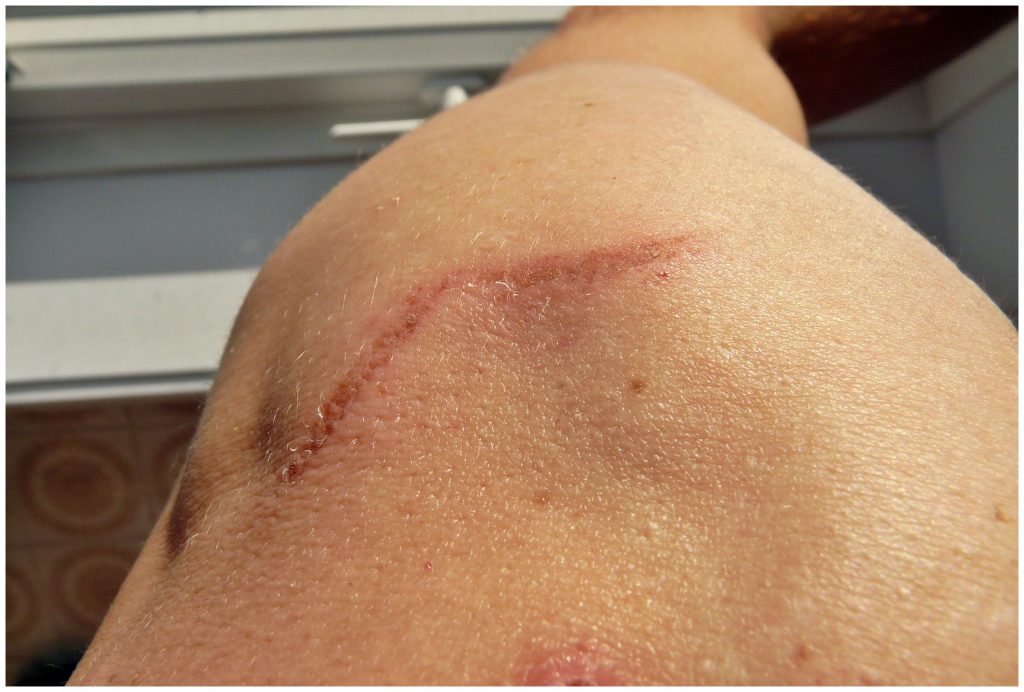
Laser tattoo removal uses laser energy to break tattoo pigments into smaller particles that the body gradually eliminates. Multiple treatment sessions may be necessary, while the number of appointments depends on the tattoo’s size, location, and colors. Because treated skin becomes more sensitive afterward, limiting sun exposure and using sunscreen are recommended following each session. Here is more information on what you should know about aftercare for laser tattoo removal:
Protecting the Treated Skin
Skin may appear red or feel sensitive following a laser tattoo removal session. Patients can follow aftercare instructions for covering the area, while loose clothing might limit unnecessary friction against treated skin. Because skin responses vary, aftercare recommendations depend on the treatment area and individual reaction.
Blistering or scabbing might occur as the treated area heals. Patients should avoid picking at scabs or disturbing blisters, and the skin should remain protected during recovery. Following the provided aftercare instructions allows the treated area to heal between laser sessions.
Cleaning the Area Daily
Gentle cleansing keeps the treated area clean during recovery. Patients may use mild soap and lukewarm water, while rubbing or exfoliating the skin should be avoided during healing. After washing, gently patting the area dry limits unnecessary friction against sensitive skin. Because aftercare needs vary, patients should follow their provider’s instructions regarding moisturizers, ointments, and other skincare products.
Avoiding Sun Exposure
Treated skin may be more sensitive to sunlight following tattoo removal. Direct sun exposure can affect the healing area, while ultraviolet light might contribute to changes in skin pigmentation. Protecting the treated area from sunlight forms part of the recovery process.
Clothing can provide a physical barrier when the treated area is exposed outdoors. Patients should follow their provider’s aftercare directions, and recommendations might vary depending on the location of the tattoo. Because skin requires time to recover after laser treatment, sun protection remains relevant throughout healing.
After the skin heals, sunscreen provides additional protection during sun exposure. A broad-spectrum sunscreen may be applied according to aftercare recommendations. Continued sun protection also limits ultraviolet exposure to previously treated skin. Patients can discuss sunscreen use and other aftercare measures with their provider during follow-up visits.
Managing Discomfort and Swelling
Redness, swelling, and mild discomfort may occur after tattoo removal. A wrapped cold compress can address temporary swelling, while medication use should follow guidance from a healthcare provider. Because treated skin remains sensitive during recovery, limiting irritation forms part of the aftercare process. Patients should follow their provider’s instructions as the treated skin heals. Recommended aftercare habits might include:
- Avoiding prolonged soaking: Keep the treated area out of pools, hot tubs, and baths during healing.
- Limiting strenuous exercise: Reduce activities that cause excessive sweating around the treated area.
- Wearing loose clothing: Choose clothing that limits rubbing or pressure against sensitive skin.
- Reducing sun exposure: Keep the treated area protected from direct sunlight during recovery.
These measures provide a structured approach to caring for the skin between treatment sessions.
Schedule a Laser Tattoo Removal Consultation Today
Aftercare shapes how smoothly the skin heals and how well a tattoo fades over the course of treatment. Cleaning the area, shielding it from the sun, and paying attention to how the skin responds all contribute to a better outcome between sessions. Everyone’s skin reacts differently to laser tattoo removal, so a personalized aftercare plan from a qualified provider offers the clearest path forward. Reach out to a healthcare provider to discuss an aftercare routine suited to your skin and treatment plan.