
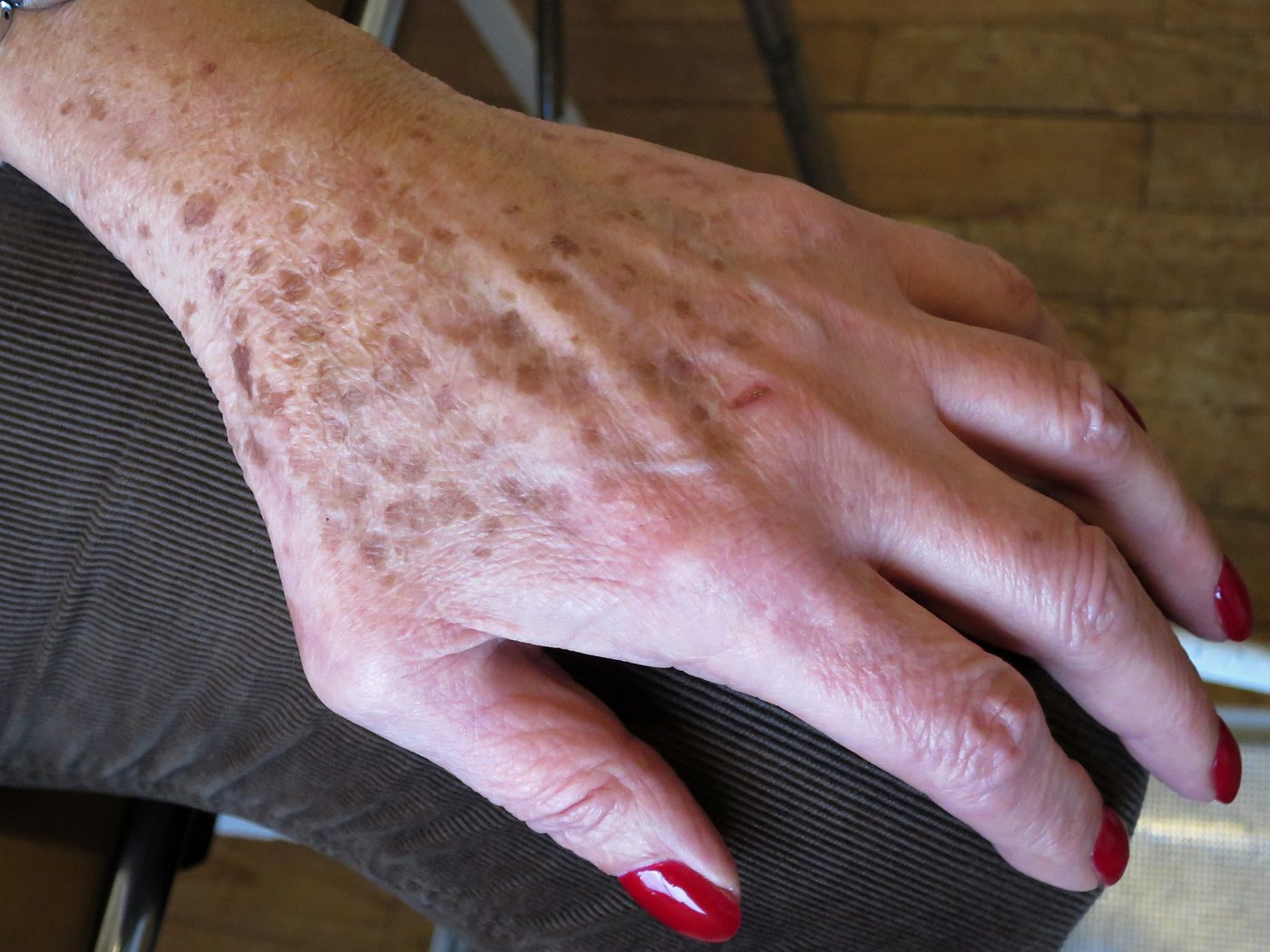
Eczema is a broad term for a group of skin conditions marked by dry, irritated patches. Dermatologists refer to the most common form as atopic dermatitis, and it appears in infants, children, and adults alike. Because eczema symptoms can resemble those of other skin issues, understanding the typical signs gives you a helpful starting point for productive conversations with your provider. Here’s some information about the symptoms of this condition:
Identifying Common Skin Changes
Itching is a typical sign of eczema, and it may appear before any visible rash develops. Scratching tends to leave the area redder. Dryness is another key sign, as affected skin may look rough, scaly, or cracked. Repeated scratching has the potential to thicken the skin over time, a process called lichenification. Some people also notice small bumps that release clear fluid before crusting over. These changes vary from person to person, so no two presentations look exactly alike.
Color changes may differ across skin tones, which makes visual assessment more nuanced. On lighter skin, patches typically appear red or pink. On darker skin, they may look brown, purple, or gray, and the redness is sometimes harder to detect. Because of these differences, color alone is not a reliable indicator of the condition.
Noticing Where Symptoms Appear
Eczema appears on various parts of the body, sometimes depending on age. Infants typically develop patches on their cheeks, and the rash may spread to the arms and legs. As children grow, symptoms tend to shift toward skin folds. Older children and adults may notice symptoms in areas that bend and flex throughout the day. Providers see eczema in the following locations:
- Inner elbows
- Backs of the knees
- Hands and wrists
- Neck and upper chest
- Eyelids and the skin around the eyes
Hand symptoms deserve close attention because frequent handwashing exposes the skin to water and soap, which may dry it further. Cracks on the fingers or palms sometimes make daily tasks harder. Eyelid patches look different from patches elsewhere; the skin there is thin and may appear puffy or darker than the surrounding area.
Tracking Patterns and Triggers
Eczema symptoms tend to come and go, and providers call a period of increased symptoms a flare. Since flares follow different patterns for each person, a written record gives you a practical advantage. Start a symptom journal, note the date and location of each patch, and record any changes in the intensity of the itch.
Photos add helpful detail to your notes. Take pictures in consistent lighting and date each one, as symptoms may fade before an appointment. Consistent documentation shows your provider how the skin looked at its peak; this information can guide a more thorough evaluation.
Flares are sometimes linked to everyday exposures, such as harsh soaps, wool fabrics, or fragrances. Weather changes may also contribute. Because psoriasis, contact dermatitis, and fungal infections cause symptoms that resemble eczema, other conditions should be investigated. A provider can examine your skin and assess your symptoms and medical history; they also conduct testing, such as patch testing, when appropriate.
Learn More About Eczema
Eczema typically presents with itching, dryness, and color changes. Flares follow patterns that a symptom journal helps reveal, and photos can strengthen the record you bring to each appointment. Treatment methods range from light therapy to medicated creams. Contact a dermatologist today to schedule a thorough skin evaluation and review your treatment options.