
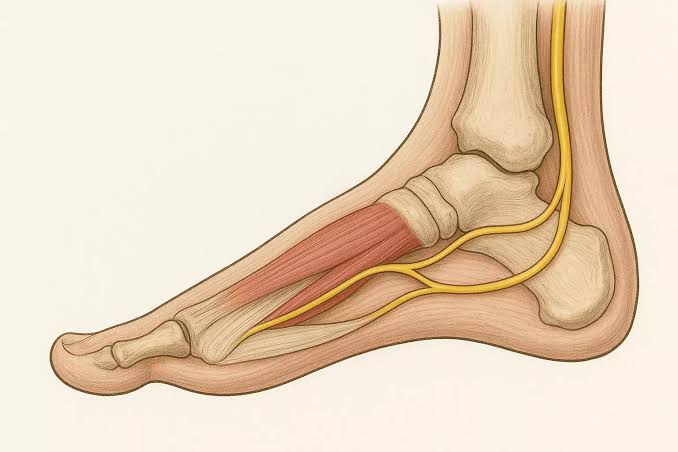
The heel bone is a large bone in the foot, and it absorbs stress with every step. Heel pain is a common foot complaint among adults as a result. Discomfort may appear on the bottom of the heel, along the back of the heel, or within the bone. Learning about the possible causes and treatment options can help you make informed decisions about when to seek professional care.
What Causes Heel Pain?
Heel pain may develop from a sudden injury or from repeated stress over time. Several conditions are commonly linked to discomfort in this area. The plantar fascia is a thick band of tissue that runs along the bottom of the foot, and it connects the heel to the toes. When this tissue becomes irritated, it may cause a sharp or aching sensation beneath the heel. Pain is often most noticeable with the first steps after waking in the morning.
Achilles Tendon Conditions
The Achilles tendon connects the calf muscles to the back of the heel bone. Repetitive strain from running, jumping, or tight calf muscles can lead to Achilles tendinitis, and this often causes stiffness and tenderness at the back of the heel. A sudden, sharp pain, accompanied by a popping sensation, may indicate a tendon tear.
Heel Spurs
A heel spur is a type of bone growth, commonly forming on the underside of the heel bone. Spurs frequently occur alongside plantar fasciitis. Some people with heel spurs have no symptoms, and others feel discomfort when standing or walking.
When Should You Seek Care?
Mild heel discomfort sometimes improves with rest, and adjustments to daily routines can help facilitate recovery from a minor injury. A professional evaluation is appropriate in certain situations. Prompt attention to cases of heel pain can be warranted when certain signs are noticed, including:
- Pain that lasts longer than a few weeks, despite proper rest and at-home care
- Discomfort that interferes with daily tasks
- Swelling or redness around the heel
- Pain or a popping sensation after a sudden injury
- Difficulty bearing weight on the affected foot
During an evaluation, an orthopedic specialist may review your symptoms, activity level, and medical history and perform a physical examination of the foot. Imaging tests can help identify the source of pain and rule out other conditions.
How Is It Treated?
Treatment depends on the cause of the pain, the severity of symptoms, and individual health factors. Reducing high-impact activities gives irritated tissues time to recover, and targeted stretching exercises and physical therapy can help improve flexibility in the calf and plantar fascia. Orthotics may help distribute pressure more evenly across the foot. When conservative care does not provide adequate relief, a specialist can discuss additional options. These may include injections, shockwave therapy, or surgery.
Meet With an Orthopedic Specialist
Addressing heel pain promptly can offer several benefits. An early evaluation may help pinpoint the specific cause, allowing treatment to focus on the source rather than the symptoms alone. Timely care can also reduce the chance that a minor problem becomes a long-term condition. Seeking treatment sooner may help limit these changes, and this helps support an effective return to regular activities. If heel pain is affecting your daily routine, an orthopedic specialist can evaluate your foot and create a treatment plan tailored to your needs.