
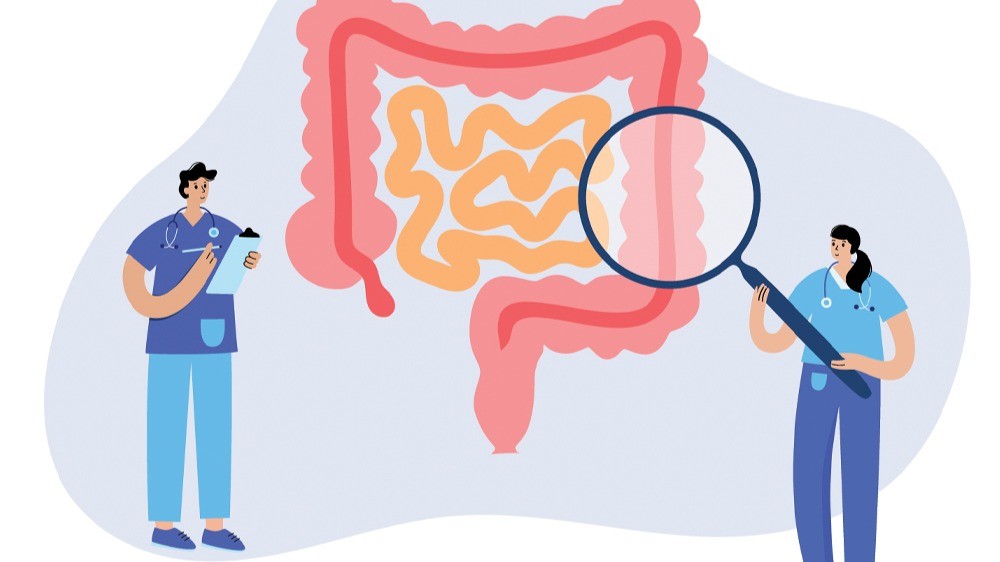
Colon cancer affects the large intestine, which is the final part of the digestive tract. Early detection through regular screening can lead to more favorable treatment outcomes. Understanding the disease and the available screening methods enables individuals to manage their health proactively.
What Is Colon Cancer?
Colon cancer originates in the large intestine. The colon is responsible for absorbing fluids and nutrients from digested food. The remaining waste material then moves into the rectum before it is expelled from the body.
This disease typically begins as noncancerous clumps of cells called polyps that form on the inside of the colon. Some of these polyps can develop into cancers over time. Polyps may be small and produce few, if any, symptoms. Medical professionals recommend regular screening tests for this reason, to help identify and remove polyps before they develop into cancerous cells.
Several factors can increase a person’s risk of developing colon cancer. These include a personal or family history of colorectal cancer or polyps and certain genetic syndromes. Lifestyle factors, such as diet and physical activity levels, may also play a role.
What Are the Symptoms?
In its early stages, colon cancer may not produce any noticeable symptoms. When symptoms do appear, they can vary depending on the cancer’s size and location within the large intestine. Recognizing these signs can prompt a discussion with a healthcare provider.
Common symptoms associated with cancer include:
- A persistent change in bowel habits.
- Rectal bleeding or blood in the stool.
- Ongoing abdominal discomfort.
- Weakness or fatigue.
Many of these symptoms can be caused by other conditions, such as irritable bowel syndrome. A medical evaluation can determine the underlying cause of these symptoms.
How Is It Screened?
Screening is the process of looking for cancer in people who have no symptoms. Several tests are available for colon cancer screening. The choice of test may depend on an individual’s risk factors, medical history, and personal preference.
These procedures look directly at the structure of the colon and rectum.
- Colonoscopy: A doctor uses a long, flexible tube with a camera to view the entire colon. During the procedure, the doctor can remove any polyps found. A colonoscopy is typically recommended every 10 years for individuals at average risk.
- CT Colonography (Virtual Colonoscopy): This procedure uses X-rays to create a detailed image of the colon. It is less invasive than a traditional colonoscopy and is usually performed every five years.
Following a positive result from a virtual colonoscopy, a traditional colonoscopy is usually performed to investigate further and remove any abnormal tissue.
Meet With a Colon Specialist
Regular screening is a foundational component of colon cancer prevention and early detection. Understanding the available options and discussing them with a healthcare provider allows for an informed decision about personal health management. If you have questions about your risk factors or which method is most suitable for you, scheduling a consultation with a specialist can facilitate proper screening and prevention. A specialist can help you develop a personalized screening plan based on your health profile.
- Choosing the Right Plastic Surgeon for Your Cosmetic Procedure
- Understanding Different Types of Laser Treatments for Skin Rejuvenation
- Why a Family Dentist is Key for Maintaining Oral Health
- The Benefits of Regular Visits to a Wellness Spa
- Exploring the Emotional and Psychological Triggers of Eating Disorders
Leave a Reply