
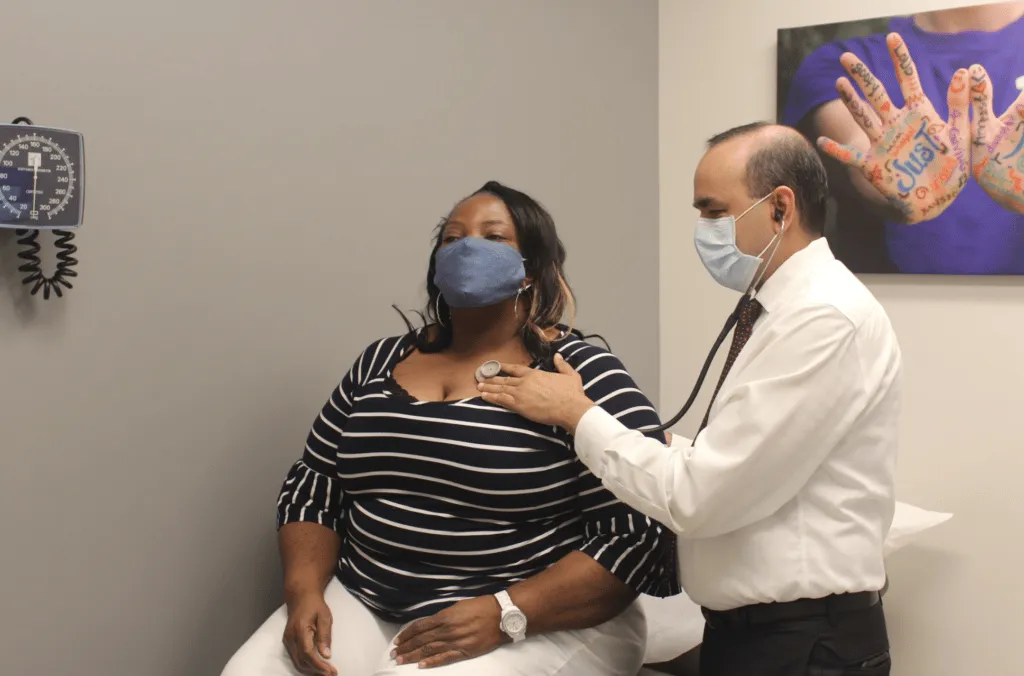
Cardiologists specialize in diagnosing, treating, and preventing heart and blood vessel conditions, such as high blood pressure and heart disease. They use tests like echocardiograms and stress exams to evaluate heart function. Asking the right questions during your appointment encourages collaboration, and it helps you understand your condition, treatment options, and ongoing care needs. Here are some questions to ask your cardiologist during an appointment:
What Should I Know About My Diagnosis and Condition?
Ask your cardiologist to explain your diagnosis in clear, straightforward terms and describe the factors that may have contributed to it. This enables you to assess how your current health relates to your lifestyle choices, family history, or environmental influences. Learn about the main concerns related to your condition and the symptoms to watch for; this can help you gain a clearer understanding of your situation. Inquiring about the expected progression of your condition and its impact on daily life also helps establish realistic expectations for future care.
What Tests and Screenings Should I Expect?
Diagnostic tests and screenings are key for evaluating heart health, and understanding the purpose of each procedure beforehand can be helpful. Asking how a test works and how it contributes to your overall assessment provides clarity and supports informed decision-making. To further prepare, contemplate questions that focus on logistics and preparation:
- Will the test require any specific preparation?
- How long does the procedure typically last?
- Are there any risks or side effects associated with the procedure?
- When can I expect to receive the results?
- How will the results impact my treatment plan or next steps?
- Are there alternative tests or screenings available if this one poses challenges?
Tests and screenings can include electrocardiograms (EKGs) to check heart rhythm and echocardiograms to examine heart structure and function. Stress tests measure how the heart responds to exertion, and blood tests evaluate cholesterol and other markers. Imaging studies, such as CT or MRI scans, detect blockages or abnormalities. Knowing what to expect helps you prepare for each procedure, follow instructions correctly, and understand how the results will guide your ongoing heart care.
What Are My Management and Treatment Options?
During your cardiology appointment, ask about the different treatment approaches and the reasons behind each recommendation. Discuss how lifestyle adjustments, medications, or other interventions work, and clarify any instructions provided for these methods. Explore the main goals of your care plan and identify which lifestyle changes will be most effective. If medications are prescribed, seek information about the purpose of each drug, potential side effects, and what to do if challenges occur. Understanding these details supports a more informed and proactive role in managing your heart health.
What Should I Know About Follow-Up Care?
Cardiovascular care can involve long-term monitoring and regular follow-up appointments. Ask about the frequency of follow-ups and which health parameters will be tracked. Clarify the key markers that indicate progress or potential concern, and identify the symptoms that should prompt scheduling an earlier appointment.
A practical list of questions for this stage may include:
- Which aspects of my health will be assessed at each visit?
- What are the helpful signs that should prompt me to contact your office?
- Are there specific lifestyle changes I should implement to improve my outcomes?
- What medications or treatments require monitoring for side effects or efficacy?
- How should I prepare for follow-up appointments to promote accurate assessments?
- Are there any tests or screenings that need to be scheduled in advance?
Visit a Cardiologist
A cardiologist appointment is a key opportunity to discuss heart health, review test results, and clarify treatment plans. These professionals can diagnose and treat various conditions, including heart arrhythmias. For guidance tailored to your specific situation, schedule a discussion with a qualified cardiologist or healthcare professional today.
Leave a Reply