
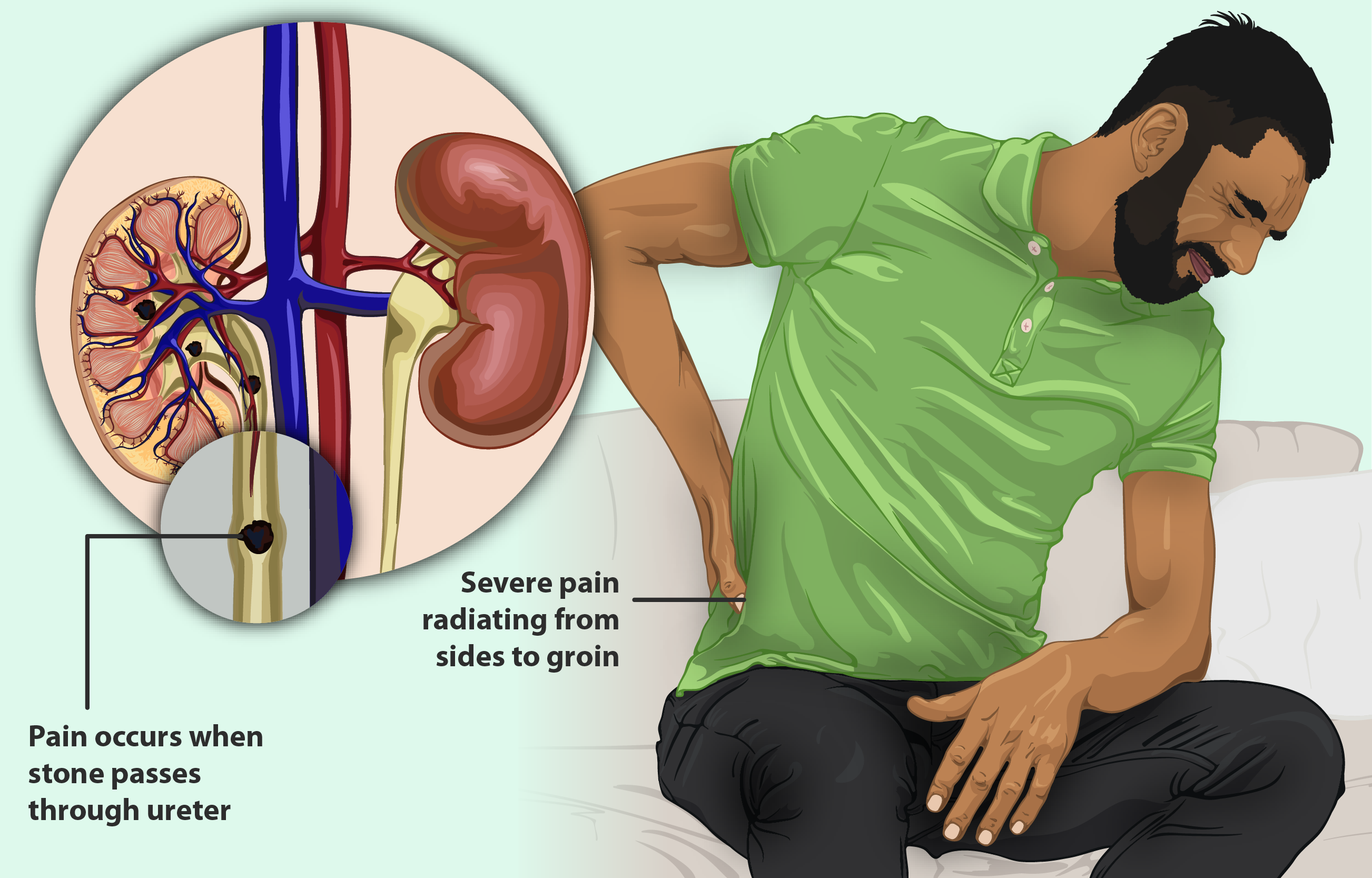
Kidney stones are solid deposits formed from minerals and salts inside the kidneys. These hard formations take shape when urine becomes concentrated, causing certain substances to crystallize. The renal stones, which may remain unnoticed or develop symptoms, differ in size and composition. Here are several questions and answers about kidney stones:
What Are Kidney Stones?
The formation of kidney stones is known as nephrolithiasis, and it takes place if urine contains a high concentration of solutes such as calcium, oxalate, or uric acid. Inhibitors in the urine normally impede crystal growth, but a disruption in this balance leads to particle development. These small crystals cluster into stones over time, making them detectable within the urinary tract.
There are several types of formations; calcium oxalate stones are the most common. Uric acid stones can develop in individuals with gout or those following high-purine diets. Struvite stones form in connection with recurring urinary tract infections, while cystine stones appear due to an inherited condition that affects amino acid metabolism. Identifying the stone type helps guide both treatment and prevention.
What Causes Renal Stones?
Multiple factors interplay in kidney stone development. Dehydration acts as a key risk factor, leading to concentrated urine and increasing the likelihood of stone formation. Diet shapes risk as well. Consuming high levels of protein, sodium, or sugar may promote stone development in some individuals. Foods rich in oxalate, such as leafy greens and nuts, are also associated with certain types of stones. Additional influences include family history, specific medical conditions such as urinary tract infections or cystic diseases, and obesity.
What Are the Symptoms of Kidney Stones?
Symptoms associated with kidney stones can arise when a stone shifts location within the kidney or moves into the ureter. Obstruction from a stone leads to several noticeable symptoms. A fundamental indicator is sharp pain that originates in the back or side, just beneath the ribs. This discomfort may radiate to the lower abdomen and groin, sometimes changing intensity as the stone migrates. Additional signs include:
- A persistent urge to urinate, more frequent urination than usual, or difficulty passing urine.
- Burning pain during urination.
- Urine with pink, red, or brown coloration, suggesting the presence of blood.
- Cloudy, foul-smelling urine.
- Episodes of nausea and vomiting.
How Are Renal Stones Managed?
Managing renal stones may involve strategies tailored to the stone’s size, type, and associated symptoms. For smaller stones that produce mild symptoms, increasing fluid intake is helpful, as it supports the body’s natural mechanisms for stone passage. Lifestyle adjustments represent a key foundation for both management and prevention. Modifying dietary intake, particularly by limiting sodium and animal protein, is recommended in some situations. Individuals with a tendency toward certain types of stones may benefit from additional guidance, such as reducing their intake of high-oxalate foods.
Visit a Urology Clinic Today
Kidney stones can disrupt daily life, introducing both immediate and long-term challenges. By gaining knowledge about their formation, causes, and symptoms, individuals are better equipped to address personal risk factors. If symptoms suggest the presence of a stone, consult a healthcare professional to discuss your management options.
- Choosing the Right Plastic Surgeon for Your Cosmetic Procedure
- Understanding Different Types of Laser Treatments for Skin Rejuvenation
- Why a Family Dentist is Key for Maintaining Oral Health
- The Benefits of Regular Visits to a Wellness Spa
- Exploring the Emotional and Psychological Triggers of Eating Disorders
Leave a Reply