
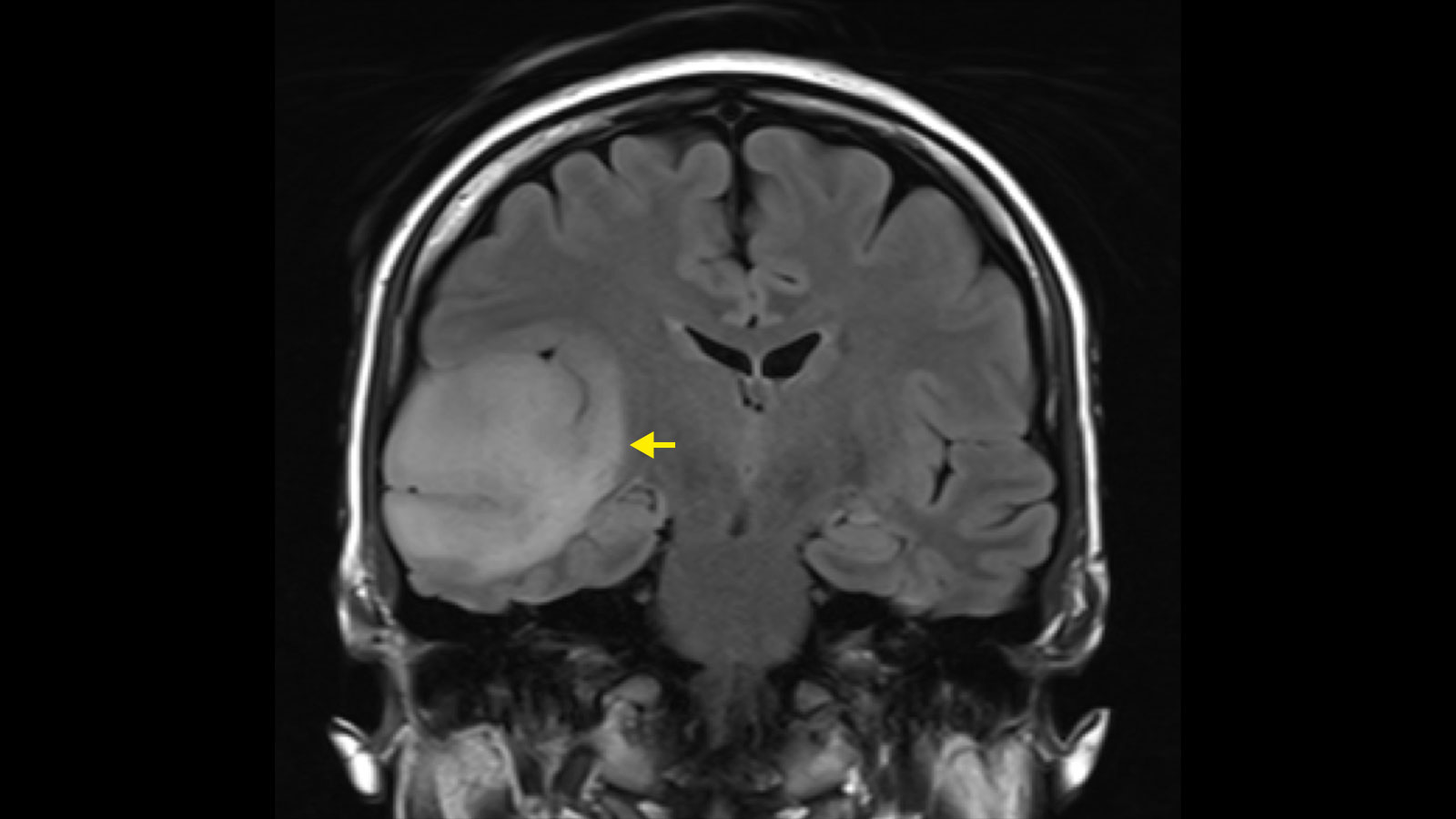
An acoustic neuroma is a benign tumor that grows on the vestibular nerve, which connects the inner ear to the brain. It can cause hearing loss, tinnitus, and balance problems. Because these symptoms develop gradually, they can go unnoticed until they start affecting daily routines; ear specialists use hearing tests and imaging to monitor growth and recommend appropriate treatment. Here is more information on living with an acoustic neuroma:
What Is an Acoustic Neuroma?
An acoustic neuroma, also called a vestibular schwannoma, is a noncancerous tumor that forms on the vestibular nerve. This nerve runs from the inner ear to the brain, and it controls both hearing and balance. Since the tumor typically grows slowly, some patients may live with it for years before symptoms appear.
Doctors classify acoustic neuromas by size and location. This classification helps determine the right treatment plan, since each tumor presents differently. Small tumors may only need regular monitoring through MRI scans, but larger tumors require more active intervention.
What Are the Symptoms?
Symptoms vary depending on tumor size and how much pressure it places on surrounding structures. Potential signs include:
- Gradual hearing loss in one ear
- Ringing or buzzing sounds, known as tinnitus
- Dizziness or a persistent sense of imbalance
- Facial numbness or tingling in more advanced cases
A sudden drop in hearing or a sharp increase in dizziness warrants a prompt visit to an ear specialist.
How Is Daily Life Affected?
Living with acoustic neuroma can change how patients navigate everyday tasks, and these changes affect multiple areas of daily functioning. Hearing loss on one side makes it harder to locate sound direction. Because one ear receives less auditory input, conversations in noisy environments become more difficult to follow, which can lead to social withdrawal or communication challenges.
Fatigue is another potential issue. The brain works harder to compensate for reduced hearing and balance input, and this increased cognitive effort can leave patients feeling drained by the end of the day. While fatigue is expected, it can be managed with structured rest and activity planning.
Some patients may adjust their routines with assistive listening devices, and others benefit from balance exercises. Balance issues may limit physical activities such as biking, climbing stairs, or walking on uneven surfaces. These small, practical modifications can help restore a degree of normalcy while the condition is monitored or treated, though specific adjustments will vary based on each patient’s symptom severity.
How Is Professional Guidance Beneficial?
Working with an ear specialist helps patients manage their condition over time; this structured approach supports more informed decision-making throughout care. Specialists track tumor growth through regular imaging and hearing assessments. Because acoustic neuroma can progress at varying rates, ongoing monitoring helps catch changes early before they lead to significant complications, which allows treatment recommendations to be adjusted as needed. Professional guidance also connects patients with practical tools for daily life.
Learn More Today
Acoustic neuroma presents daily challenges, but patients can improve their lives by seeking medical guidance. Understanding the condition, recognizing its symptoms, and knowing how it affects daily routines are the first steps toward effective management. Partnering with an ear specialist provides a structured plan forward, from diagnosis through ongoing care. If you notice hearing changes, persistent tinnitus, or balance problems, schedule a hearing evaluation.