
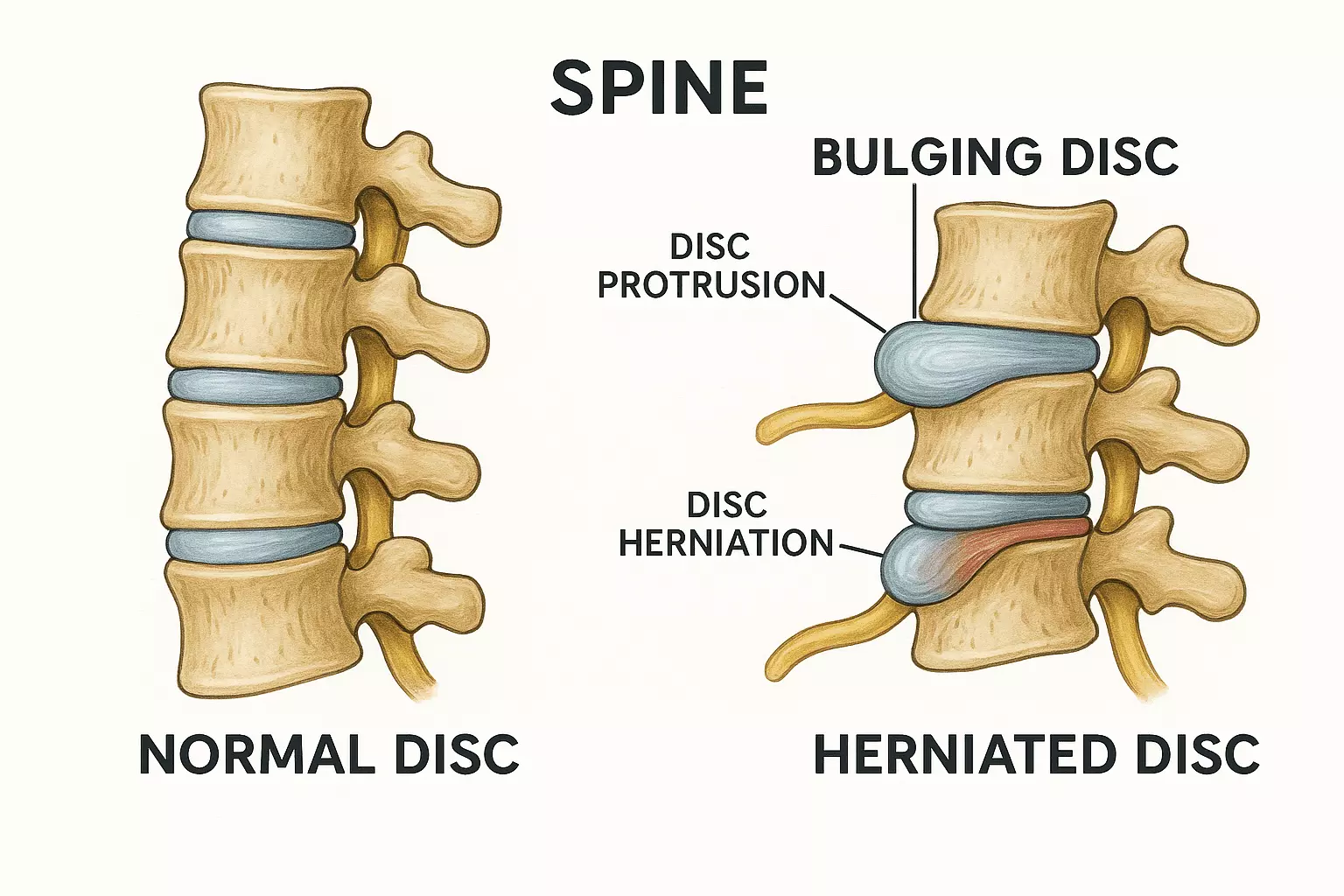
Your spine has rubbery discs with soft centers and tough outer rings, and sometimes the soft center pushes through a tear in the ring, pressing on nearby nerves. When this happens, you may feel pain, numbness, or weakness in your back, arms, or legs. Many people manage symptoms with nonsurgical methods before resorting to surgery. Here is more information on addressing a herniated disc:
Modifying Activities
While a herniated disc heals, certain movements put extra pressure on the injured area. Bending, lifting, and twisting strain the lower back. Short rest periods help in the first few days, but long bed rest often stiffens muscles.
- Lift objects with bent knees and the load close to your body.
- Take a short walk every 30 to 60 minutes.
- Change sitting positions often and use a chair with lower back support.
- Avoid heavy lifting, running, and contact sports until a provider clears you.
- Sleep on your side with a pillow between your knees.
Pain gives you useful feedback, so pay attention to it during daily tasks. If an activity sends pain down your leg, stop and rest. Gentle movement keeps blood flowing to the injured disc. Return to normal tasks gradually over several weeks.
Managing Medications
Over-the-counter pain relievers can be used to ease mild to moderate herniated disc pain. Since ibuprofen and naproxen are used to reduce inflammation, many providers recommend them first. Acetaminophen eases pain, but it does not reduce swelling.
Stronger symptoms sometimes need prescription medication, and a provider chooses the right type for your case. Muscle relaxants ease painful back spasms. In some cases, doctors limit opioids to short periods because these drugs carry a risk of dependence. Nerve pain medications, such as gabapentin, target burning or shooting pain.
Before you take any medication, tell your provider about your health conditions and current prescriptions. Follow the dosing directions on the label, and do not combine pain relievers without guidance. Some drugs cause drowsiness or stomach upset. Report any side effects at your next visit.
Getting Injections
A provider may recommend a steroid injection when pain lasts several weeks despite other treatments. The injection delivers anti-inflammatory medicine near the irritated nerve, and the provider uses X-ray imaging to guide the needle. In many cases, people go home the same day.
Results vary from person to person, and the effect may last weeks or months. Some people notice no change at all. Expect mild soreness at the injection site for a day or two. Since steroids raise blood sugar, people with diabetes need extra monitoring after an injection.
Undergoing Physical Therapy
Physical therapy builds strength and flexibility around your spine, and most plans include a mix of the following treatments. Once a therapist reviews your posture and movement, they design a plan for your specific symptoms. Core exercises to support the lower back include:
- Extension exercises, such as lying on your stomach and pressing up
- Stretches for the hamstrings and hips
- Heat, ice, or electrical stimulation for short-term pain control
- Posture and body mechanics training
If an exercise increases your leg pain, tell your therapist right away. Your therapist will assign home exercises, and daily practice between sessions matters. Progress occurs gradually with practice.
Get Herniated Disc Treatment
A herniated disc affects daily life, and symptoms can change from week to week. Medical providers evaluate back pain on a regular basis. If you notice loss of bladder or bowel control or severe leg weakness, go to an emergency room immediately. For other back pain, walk in during a pain specialist clinic for an exam and treatment plan.