
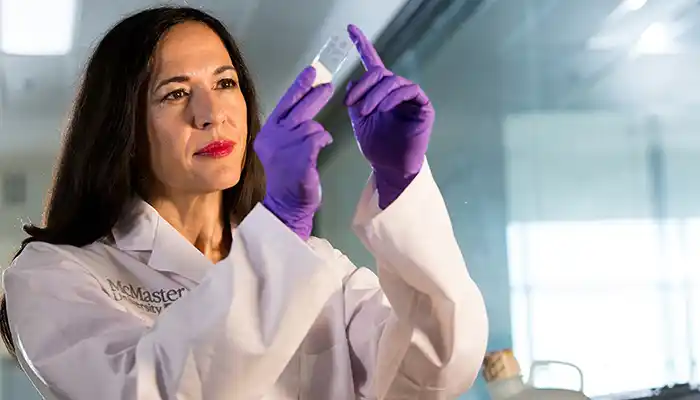
Becoming a radiologist involves extensive medical training, clinical experience, and the opportunity to specialize in different areas. Depending on interests, aspiring radiologists may pursue fields such as neuroradiology or interventional radiology. Here is more information on career pathways and specializations for aspiring radiologists:
Completing Required Medical Training
A radiologist completes years of education and training after high school. The path starts with a bachelor’s degree, and it continues with medical school, where students learn general medicine and complete clinical rotations. Graduates then complete an internship in general patient care. Next, they enter a radiology residency, which is a supervised training program in a hospital.
During residency, trainees read thousands of imaging studies under the guidance of experienced radiologists. Residents pass national licensing exams, and they later earn board certification. They then complete a fellowship. A fellowship provides focused training in one area, preparing the physician for more complex cases.
Choosing a Radiology Specialization
Radiology includes two broad pathways, and these are diagnostic radiology and interventional radiology. Each pathway requires a different mix of skills and serves different patient needs. A radiologist usually selects a focus during residency, although some choose later through fellowship training.
Diagnostic Radiology Subspecialties
Diagnostic radiologists interpret images to detect and describe changes in the body. Common subspecialties include neuroradiology, which covers the brain, spine, and nerves. Breast imaging specialists read mammograms and screening studies, and pediatric specialists focus on infants and children. Other options include musculoskeletal imaging and nuclear medicine, which uses small amounts of radioactive material to show how organs function.
Interventional Radiology
Interventional radiologists use live imaging to guide needles and thin tubes, called catheters, through small openings in the skin. They perform procedures such as biopsies, blood vessel treatments, and uterine fibroid embolization. Patients often meet them before a procedure, and they explain each step so that the patient knows what to expect.
Building Clinical and Technical Expertise
Training gives a radiologist a foundation, but skill development continues throughout a career. Imaging technology changes often, which means these specialists must update their knowledge regularly. The following areas are the core of their expertise:
- Image interpretation: They review large numbers of studies to recognize normal anatomy and subtle changes.
- Procedural skills: Interventional radiologists practice needle and catheter techniques under supervision before they work independently.
- Radiation safety: They apply dose-reduction methods and follow safety standards for patients and staff.
- Patient communication: They explain test preparation, procedure steps, and results in plain language.
- Continuing education: Board-certified radiologists complete ongoing learning and assessments to keep their certification active.
Exploring Career Settings
Radiologists work in a range of settings. Hospitals employ them to read emergency and inpatient scans, and outpatient imaging centers rely on them for scheduled tests and screenings. Some join private practice groups, while others work at academic medical centers, where they teach residents and conduct research. Teleradiology also allows specialists to read images remotely, so a patient in a rural area may receive a report from a specialist in another state.
Consult a Radiologist Today
A radiologist completes medical school, residency, and often a fellowship before practicing independently. Specializations include neuroradiology and interventional radiology, and work settings include hospitals, imaging centers, and remote practices. Knowing their background can help you make informed decisions about your imaging or procedure. Contact a modern radiology practice near you to schedule your consultation with a radiologist today.