
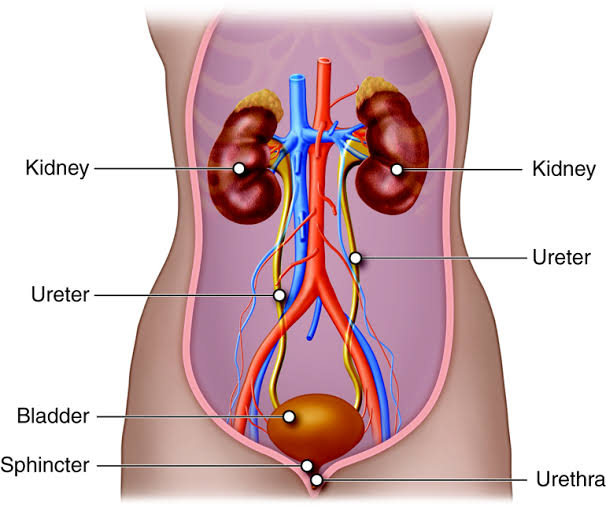
A urologist specializes in the urinary tract and male reproductive system, so they evaluate and treat conditions affecting the kidneys, bladder, and urethra. Urologists also oversee male reproductive care, offering prostate screenings and fertility evaluations to erectile dysfunction or vasectomy procedures. Choosing an appropriate urologist depends on the care you need and how often you expect to schedule visits. Here are some key factors to think about when looking for a new urology doctor:
What Care Do You Need?
Before you begin your search, identify the specific concerns you want to address. Urologists manage a range of conditions, from short-term issues to chronic conditions that require ongoing attention. UTIs are common in both men and women, but recurring infections may warrant evaluation by a specialist. A urologist can review your medical history and recommend testing to look for an underlying cause.
Kidney stones are another frequent reason for a urology referral. A urologist may use imaging to locate stones and discuss treatment options based on their size and position. Enlarged prostate, also called benign prostatic hyperplasia (BPH), is common in older men and causes frequent urination, a weak stream, or difficulty emptying the bladder. Treatment options range from medication to minimally invasive procedures, which a specialist can help you determine.
If you are interested in a vasectomy, ask whether the urologist offers consultations to discuss the procedure, recovery, and follow-up testing. Vasectomy is an outpatient procedure that some men choose as a permanent form of birth control, so many urologists perform them in the office under local anesthesia. Knowing your primary concern helps you narrow your search to physicians with relevant experience.
Do You Need Specific Services?
Urology includes several subspecialties, so if you have a complex or specialized concern, look for a physician whose training matches that need. Review the urology practice’s website to see which procedures and treatments it offers. Some practices provide robotic surgery, in-office imaging, or lithotripsy for kidney stones. Others focus on general urology and refer patients to outside specialists for advanced procedures.
Board certification is another factor to look into. The American Board of Urology certifies physicians who meet its training and examination standards. You can verify a urologist’s certification status through the board’s website. Hospital affiliation also matters; it determines where you receive surgical care. To get personalized information, ask the office which hospitals and surgery centers the urologist works with.
How Much Care Is Needed?
Visit frequency varies by condition, as a patient with a single UTI or a minor concern may need only one or two appointments. A patient managing BPH, recurring kidney stones, or prostate cancer may need regular follow-up visits over several years. Some men discuss routine prostate cancer screening with their primary care physician or urologist. Screening schedules depend on:
- Age
- Family History
- Individual Risk Factors
If you expect to need ongoing care, look into practical factors that affect long-term convenience. Office location, appointment availability, and wait times can all influence your experience. Also check insurance coverage, and confirm the urologist’s network status in advance.
Find Your New Urologist Today
Start your search by asking your primary care physician for a referral, as they can recommend urologists based on your medical history. You can also use your insurance provider’s online directory to find in-network specialists in your area. Hospital and health system websites often list affiliated urologists along with their training, subspecialties, and office locations. Once you have a short list, call each office to ask about services, availability, and accepted insurance. A consultation lets you ask questions and decide whether the urologist is the appropriate fit for your care.