
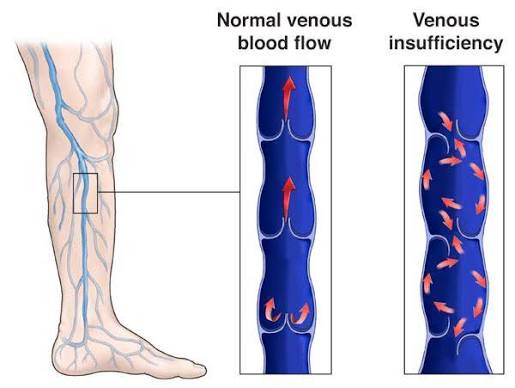
Chronic venous insufficiency (CVI) affects how blood moves through the veins in your legs, and it progresses over time. Healthy veins carry blood back to the heart, and small valves inside them stop blood from flowing backward. When these valves weaken or fail, blood pools in the lower legs. Here is more information on the symptoms, the signs that call for an exam, and the tests doctors use to confirm CVI.
What Are CVI Symptoms?
As chronic venous insufficiency develops slowly, early symptoms may be minor. Many people notice changes in their legs at the end of the day. The signs may come and go at first, but they typically appear more often over time. Symptoms typically affect both legs, though one leg may feel worse. Classic CVI symptoms include:
- Aching, heaviness, or tiredness in the legs
- Swelling in the ankles or lower legs
- Itching or tingling skin
- Cramping legs, especially at night
- Developing new varicose veins or spider veins
- Having brown, red, or leathery skin near the ankles
- Getting open sores, called venous ulcers, that heal slowly
Long periods of standing typically worsen symptoms, and raising your legs typically eases them. If skin changes or sores appear, the condition may have progressed. These later signs need prompt medical attention. Track when your symptoms appear and how long they last.
When Should I Get Evaluated?
Persistent leg swelling requires a medical exam. If heaviness or aching returns most days, a doctor or vein specialist should check your legs. Mild symptoms may not be urgent, but CVI can progress without treatment. Age, pregnancy, extra weight, and a family history of vein problems raise your risk.
Some signs call for faster action, and you should not wait for a routine checkup. Watch for darkened skin, hardened skin, or sores near the ankle. If a wound near your ankle stays open for more than two weeks, contact your doctor. Leg ulcers raise the risk of infection.
Go to an emergency room if one leg suddenly becomes swollen, warm, and painful. These signs may point to a blood clot, and a clot needs fast treatment. Sudden shortness of breath with leg pain requires emergency care. Call 911 for chest pain or trouble breathing.
How Is CVI Diagnosed?
A diagnosis typically starts with a physical exam and a health history. Your provider checks your legs for swelling and skin changes, and they ask about your symptoms. They will also ask whether anyone in your family has had vein problems. Tell your provider about past blood clots, leg injuries, or surgeries.
Once the exam is complete, most providers order a duplex ultrasound. This painless test uses sound waves to show blood flow in your veins. A technician moves a small wand over your skin, and the images reveal any backward flow. Some patients also need CT or MRI venography for a more detailed view.
Check for Chronic Venous Insufficiency
CVI typically starts with mild aching or swelling, but it may lead to skin damage and ulcers over time. If you notice the symptoms listed above, schedule an exam with a doctor or vein specialist. Bring a written list of your symptoms, medications, and questions to the visit. Ultrasound results give your provider clear information for planning next steps.