
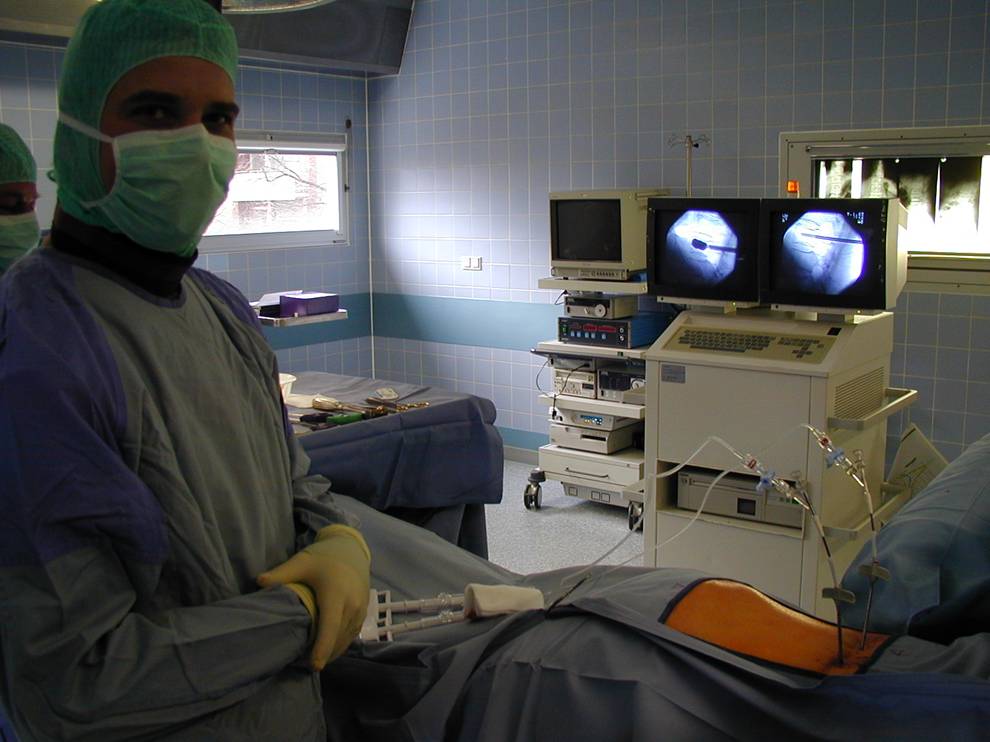
Kyphoplasty is a minimally invasive procedure designed to relieve pain and restore stability caused by spinal compression fractures. Often recommended for patients with osteoporosis or injury-related fractures, kyphoplasty restores vertebral height and strengthens the spine. Here’s more information on what to expect during a kyphoplasty procedure:
Understanding Kyphoplasty’s Purpose
Kyphoplasty is a minimally invasive spinal fracture repair procedure designed to treat vertebral compression fractures. This vertebral augmentation procedure primarily helps patients who experience severe back pain from spinal compression fractures. These fractures commonly occur in people with osteoporosis, cancer patients, or individuals who have suffered spinal injuries.
During this procedure, medical professionals inject bone cement into the fractured vertebra to stabilize the spine and restore some of the lost vertebral height. The technique often involves using a small balloon to create space within the compressed vertebra before cement injection. The procedure helps restore spinal alignment and reduces the risk of more fractures in nearby vertebrae.
Preparing for the Procedure
Preparation for kyphoplasty begins several days before the scheduled procedure. Patients must follow specific pre-operative instructions to make sure the procedure goes smoothly. Medical professionals require patients to stop eating and drinking after midnight the night before the procedure.
Certain medications may require adjustment or temporary discontinuation prior to kyphoplasty. Blood-thinning medications require special attention, as these drugs increase bleeding risk during the procedure. Patients should discuss all current medications with their healthcare provider well in advance of the scheduled date.
Transportation arrangements are fundamental since patients cannot drive themselves home after the procedure. The sedation or anesthesia used during kyphoplasty temporarily impairs driving ability and judgment. Having a responsible adult available for transportation and initial recovery assistance is helpful for patient safety and comfort.
Exploring Procedure Steps
The kyphoplasty procedure typically takes place in an outpatient surgical center or hospital. Patients arrive and undergo final pre-operative preparations, including changing into surgical clothing and receiving an intravenous line for medication administration. Medical staff review the procedure and answer any remaining questions before beginning.
Anesthesia administration marks the beginning of the actual procedure. Once comfortable, patients lie face down on the procedure table while the medical staff positions the imaging equipment for guidance. The surgeon makes a small incision and inserts a specialized needle through the skin into the fractured vertebra using X-ray guidance. A small balloon is then inserted through the needle and carefully inflated within the vertebra to create space and restore some height. After balloon removal, medical cement is injected into the created space, where it hardens within minutes to stabilize the fracture.
Managing Recovery and Aftercare
Most patients go home the same day following kyphoplasty, though some may require overnight observation. Initial recovery involves monitoring for immediate complications and making sure patients are stable before discharge. Pain levels often improve within hours of the procedure, though some temporary soreness at the incision site is normal.
Activity restrictions during the first few days help promote proper healing. Patients should avoid heavy lifting, bending, or strenuous activities for at least 24 to 48 hours after the procedure. Gradually returning to normal activities over the following weeks allows the cement to fully cure and the incision to heal properly.
Follow-up appointments occur within one to two weeks after the procedure. These visits enable medical professionals to assess the healing progress, address concerns, and discuss long-term strategies for maintaining spine health. Physical therapy may be recommended to help strengthen surrounding muscles and improve overall spinal stability.
Learn More About Kyphoplasty Today
Kyphoplasty provides effective relief for patients suffering from painful spinal compression fractures. This minimally invasive vertebral augmentation procedure offers quick recovery times and significant pain reduction for appropriate candidates. For persistent back pain from spinal compression fractures, contact a qualified interventional pain specialist near you to discuss whether kyphoplasty may be right for you.
- Choosing the Right Plastic Surgeon for Your Cosmetic Procedure
- Understanding Different Types of Laser Treatments for Skin Rejuvenation
- Why a Family Dentist is Key for Maintaining Oral Health
- The Benefits of Regular Visits to a Wellness Spa
- Exploring the Emotional and Psychological Triggers of Eating Disorders
Leave a Reply