
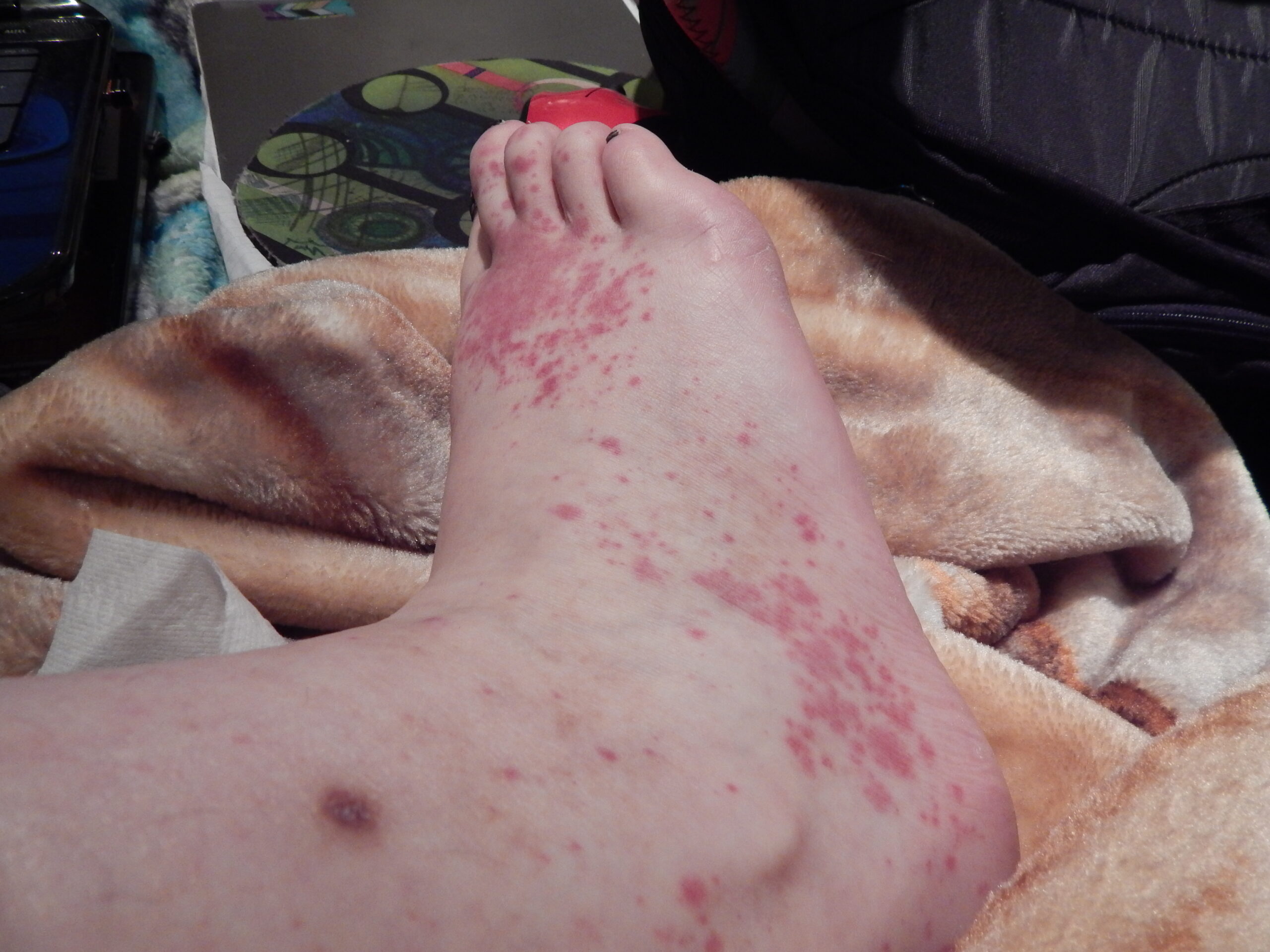
Chronic hives, also known as chronic urticaria, can present a persistent challenge, affecting daily routines and overall comfort. These raised, itchy welts on the skin appear for six weeks or more with no obvious cause. Understanding and managing this condition requires a multifaceted approach that focuses on identifying patterns and making informed lifestyle adjustments. Navigating life with chronic hives means learning about the condition and finding practical ways to manage its symptoms.
What Causes Chronic Hives?
Chronic hives can be a frustrating and challenging condition to understand, as the cause is often hard to pinpoint. Several potential factors may contribute to the development of chronic hives.
- Idiopathic causes: In many cases, no trigger or root cause is identified, with the immune system mistakenly attacking its own tissues. This releases histamine, causing the small blood vessels in the skin to leak and form welts.
- Autoimmune response: The immune system may produce antibodies that activate cells responsible for allergic reactions, leading to persistent hives.
- Physical factors: Pressure, cold, heat, or sunlight can trigger hives in some individuals, depending on their sensitivity.
- Underlying health issues: Although rare, chronic hives may be associated with other medical conditions that require further investigation.
Understanding the potential triggers and mechanisms behind chronic hives helps guide better management. If you experience persistent symptoms, consulting a healthcare provider is key for proper diagnosis and treatment.
How Are Triggers Identified?
Identifying what may worsen your hives is a process of careful observation. Keeping a detailed diary can help you and your healthcare provider find connections between your activities and hive flare-ups. In this journal, you should record daily food and drink intake, medications, stress levels, and any exposure to potential environmental irritants. This record provides a clear picture over time.
Tracking your symptoms alongside your daily activities allows you to see if certain patterns emerge. Note when your hives appear, how long they last, and their severity. Over several weeks, this information may highlight potential links you might not have noticed otherwise. This methodical approach can be a helpful tool in pinpointing personal triggers.
What Lifestyle Changes Help Symptoms?
Making certain lifestyle adjustments may help you manage your symptoms and alleviate discomfort. Adopting strategies that support your overall well-being can make a significant difference in how you feel on a day-to-day basis. You can explore various practical changes to see what works best for you.
- Wear Loose-Fitting Clothing: Tight clothes put pressure on the skin and cause friction, which might aggravate hives. Opt for soft, breathable fabrics, such as cotton, to minimize skin irritation.
- Maintain a Cool Environment: Heat can sometimes worsen itching and swelling associated with hives. Keeping your living spaces cool and taking lukewarm baths or showers may provide relief.
- Manage Stress Levels: Stress is a known factor that can worsen hives for some individuals. Incorporating relaxation techniques such as mindfulness, deep breathing exercises, or gentle yoga into your routine may help.
These changes are not a cure but can be part of a broader strategy to manage your condition. Combining these practical steps with guidance from a professional can help you build a comprehensive plan.
Consult a Specialist
Managing chronic hives effectively often requires professional medical guidance. If you are struggling with persistent symptoms, seeking advice from a specialist, such as an allergist or dermatologist, is a proactive step. These professionals can conduct a thorough evaluation to explore potential underlying factors and rule out other conditions. They are equipped to provide a personalized management plan tailored to your specific situation. Schedule an appointment to discuss your symptoms and develop a strategy for your long-term wellness.
- Choosing the Right Plastic Surgeon for Your Cosmetic Procedure
- Understanding Different Types of Laser Treatments for Skin Rejuvenation
- Why a Family Dentist is Key for Maintaining Oral Health
- The Benefits of Regular Visits to a Wellness Spa
- Exploring the Emotional and Psychological Triggers of Eating Disorders
Leave a Reply