
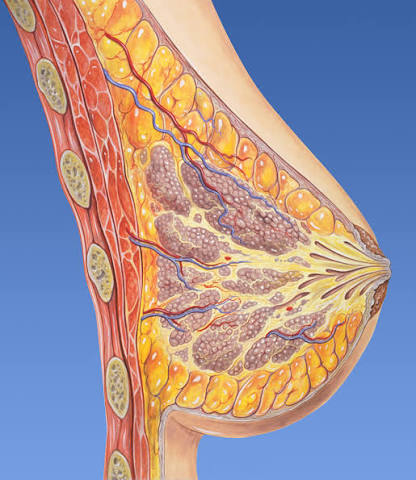
Breast cancer surgery removes cancerous tissue from the breast and nearby lymph nodes. Surgeons rely on two main techniques; these are lumpectomy and mastectomy. Each approach differs in how much tissue is removed, recovery time, and what treatment may follow. Here is more information about techniques for breast cancer surgery:
Understanding Lumpectomy
When a tumor is small and confined to one area, a surgeon may recommend a lumpectomy. This procedure removes the tumor along with a thin rim of healthy tissue around it, called the margin. Most of the breast stays in place, so lumpectomy is also called breast-conserving surgery or partial mastectomy.
The surgeon makes an incision near the tumor, removes the tissue, and sends it to a pathologist. The pathologist checks the margins under a microscope. If cancer cells appear at the edge of the sample, a second surgery may be needed to remove more tissue. Surgeons often perform a sentinel lymph node biopsy during the same operation; this removes a few lymph nodes from the armpit to check whether cancer has spread.
Reviewing Mastectomy
A mastectomy removes the entire breast. Surgeons use several variations, and each differs in how much skin, tissue, and lymph node removal is involved. Procedures include:
- Total mastectomy: The surgeon removes the breast tissue, nipple, areola, and skin over the breast. Chest muscles stay intact.
- Modified radical mastectomy: This approach removes the entire breast plus the lymph nodes under the arm.
- Skin-sparing mastectomy: Breast tissue, the nipple, and the areola are removed, but most of the breast skin is preserved. This technique is often paired with immediate reconstruction.
- Nipple-sparing mastectomy: The skin, nipple, and areola remain. Not every patient qualifies, since the tumor must sit a safe distance from the nipple.
- Double mastectomy: Both breasts are removed. Some patients with a strong family history choose this option.
Without reconstruction, surgery can last several hours; adding reconstruction extends the operating time. After the procedure, patients typically spend time in a recovery area before returning home or staying overnight, depending on the extent of surgery. Drains may be placed to remove excess fluid from the surgical site. Follow-up care includes monitoring the incision, managing discomfort, and checking for signs of infection or other complications.
Choosing a Technique
No single technique fits every patient, and your surgeon will assess several factors before making a recommendation. Tumor size relative to breast size plays a large role. A small tumor in a larger breast often allows for lumpectomy, while a large tumor in a smaller breast may point toward mastectomy. Other factors that impact breast cancer surgery include:
- The number of tumors and their location
- Cancer type and stage
- Genetic test results
- Prior radiation to the chest
- Pregnancy or health conditions that rule out radiation
- Personal preferences about reconstruction and follow-up care
Schedule Breast Cancer Surgery
Lumpectomy and mastectomy each involve distinct steps, recovery periods, and follow-up treatments. Your diagnosis and preferences all shape which technique your surgeon recommends. During an initial consultation, our team reviews your imaging, pathology results, and treatment goals. Contact a cancer surgeon today to schedule an appointment.