
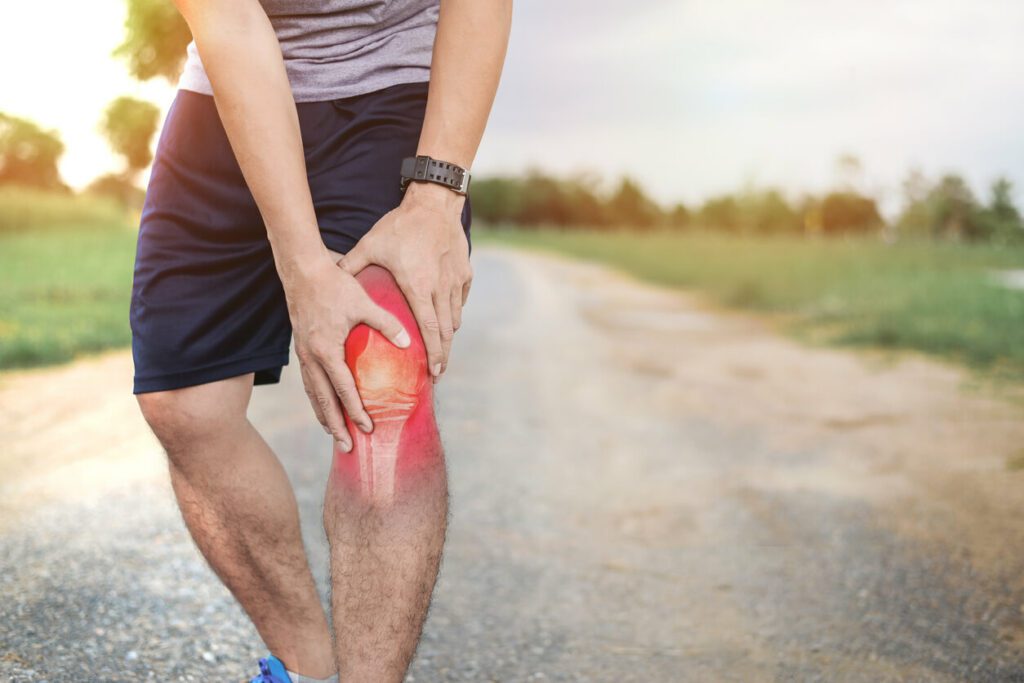
The knee supports your body weight during almost every movement. Knee pain in this joint can come from a sudden injury, while sometimes it will develop slowly over time. The right treatment depends on the cause, so an accurate diagnosis comes first.
Knee Pain Causes Explained
Many cases of knee pain begin with an injury. Ligament tears often occur during sports that involve quick turns or sudden stops. A torn meniscus causes swelling, and it may make the knee lock or catch during movement. The medial meniscus sits on the inner side of the knee and absorbs impact with every step you take. Fractures can result from falls or collisions and need prompt care so the bone heals correctly. Dislocations are another injury-related cause. The kneecap can shift out of place during a fall or direct blow, causing immediate pain and swelling. Overuse injuries are also common, especially in people who run or perform repetitive physical work. This often causes pain just below the kneecap. Recognizing your type of injury helps guide the right treatment approach. Other causes develop gradually over months or years.
Home Care for Knee Pain
Mild knee pain may improve with simple self-care steps. Rest gives injured tissue time to recover, and it reduces the risk of worsening an existing injury. Avoid activities that load the knee, such as climbing stairs or squatting, until pain begins to ease. Elevation above heart level may reduce swelling and works best when you keep the leg raised. Apply ice during the first few days after an injury.
Wrap the ice pack in a cloth to protect the skin, and you may repeat every two to three hours as needed. A warm towel or heating pad applied for 15 to 20 minutes loosens the joint before activity. Many people find heat helpful in the morning when stiffness tends to peak. Keeping a routine of gentle movement also supports recovery. Too much rest weakens the muscles around the knee and may slow healing. Short, low-impact walks on flat ground can maintain circulation and joint function without adding strain.
Surgical Treatment Options
Surgery is an option for severe damage that has not responded to other treatments. Your provider may recommend it when pain is persistent, function is significantly limited, and conservative care has not provided enough relief. Recovery from knee replacement surgery takes several months, and physical therapy plays a central role. Common surgical procedures include:
- Arthroscopy is a minimally invasive procedure that can repair or remove torn meniscus tissue, smooth damaged cartilage, and reconstruct ligaments such as the ACL. Many people return to daily activity within a few weeks, followed by physical therapy to restore strength and range of motion.
- Partial knee replacement removes only the damaged portion of the knee and preserves healthy tissue. It suits people whose arthritis is limited to one part of the joint, and recovery is often shorter than with a full replacement.
- Total knee replacement removes and resurfaces the entire joint with metal and plastic components. It is most appropriate for advanced osteoarthritis affecting the whole joint and can significantly reduce pain and improve mobility.
Book an Evaluation Today
Knee pain varies in severity and length based on its cause. A professional exam can identify the source, and imaging tests help confirm the diagnosis. Prompt evaluation helps you start the right treatment sooner. Schedule an evaluation if pain lasts several days or feels severe, and bring a list of your symptoms. Seek care right away for major swelling, deformity, or an inability to bear weight. Contact your office today to book your appointment.