
Doctors diagnose infertility when a couple does not conceive after 12 months of regular, unprotected sex; the time frame drops to six months for women 35 and older. Infertility affects many people worldwide, and both men and women experience it. Here are some questions you can ask about causes, treatment, and next steps:
What’s Causing My Infertility?
Infertility has many possible causes. Some causes affect the female reproductive system, and others affect sperm production or delivery. About one-third of cases involve female factors, while others involve male factors. The rest stem from both partners or have no clear explanation.
Ovulation problems are a typical cause in women, and polycystic ovary syndrome (PCOS) frequently disrupts the cycle. If scar tissue blocks the fallopian tubes, the egg and sperm may never meet. Endometriosis and uterine fibroids also interfere with conception.
When sperm counts are low, or sperm move poorly, fewer sperm reach the egg. Hormone imbalances affect both partners, and some medications interfere with fertility. A fertility evaluation helps your doctor pinpoint the cause.
What Treatments Are Available?
Treatment depends on the cause of your infertility. Your doctor reviews your test results, and together you discuss the options. Some couples start with medication alone; others move to advanced procedures if earlier treatments do not result in pregnancy. This may involve:
- Ovulation medications: Clomiphene or letrozole prompt the ovaries to release eggs.
- Intrauterine insemination (IUI): A doctor places sperm directly into the uterus around ovulation.
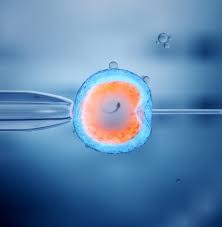
- In vitro fertilization (IVF): A lab combines eggs and sperm, then a doctor transfers an embryo to the uterus.
- Surgery: Procedures repair blocked tubes, remove fibroids, or correct a varicocele.
- Donor options: Donor eggs, sperm, or embryos serve as an alternative for some patients.
Is My Condition Normal?
Infertility is a widespread medical condition. Many people become isolated after a diagnosis, although many couples face the same challenge. Some couples conceive after a short delay, but others need medical help. Seeking care early gives you more information to work with.
Do I Need Lifestyle Changes?
Lifestyle factors influence fertility in both partners. While these changes do not treat every cause, they address factors within your control. Your doctor may suggest specific adjustments based on your health history. Most changes take a few months to show an effect, so start early.
- Maintain a healthy weight: Both excess weight and low body weight disrupt reproductive hormones.
- Stop smoking and limit alcohol: Tobacco and heavy drinking lower egg and sperm quality.
- Reduce caffeine: Keep intake under 200 milligrams per day, or about two small cups of coffee.
- Prioritize sleep and stress management: Regular exercise, consistent sleep, and counseling support hormone balance.
- Avoid excess heat: Hot tubs and saunas raise scrotal temperature and reduce sperm production.
Book an Appointment for Infertility
If you have questions about your fertility, a specialist evaluation gives you facts about your specific situation. A typical workup includes blood tests, an ultrasound, and a semen analysis, while the results shape your treatment plan. Call an OBGYN clinic today to schedule a consultation, or you can request an appointment online.