
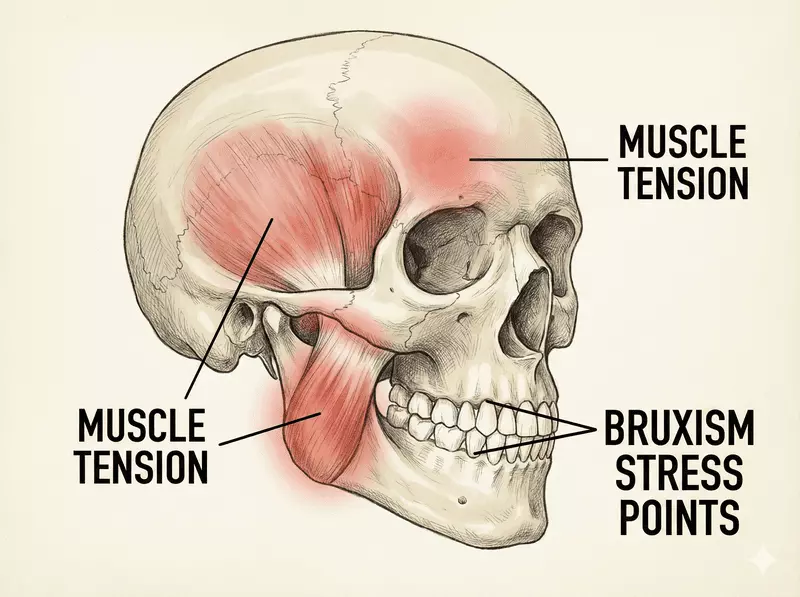
Muscle tension can create localized pain, stiffness, and restricted movement, especially when sensitive trigger points develop within the muscles. Trigger point injections (TPI) target these areas and may reduce muscle tightness, ease discomfort, and improve mobility. Here is an overview of the impact of TPIs on muscle tension and discomfort:
What Are Trigger Points?
A trigger point is a tight and sensitive area within a band of muscle. These areas often feel like small knots under the skin, and they may cause pain when someone presses on them. Trigger points also refer pain to other areas, meaning a knot in the upper back can cause discomfort in the neck or shoulder. Common causes include repetitive movements, poor posture, muscle overuse, and stress. While anyone can develop trigger points, they frequently appear in the neck, shoulders, upper back, and lower back.
How Do Injections Work?
Trigger point injections deliver medication directly into the knotted muscle. The process is usually brief, and people often complete it during a routine office visit. Knowing each stage helps you understand what to expect before you schedule an appointment.
Before the Procedure
A provider begins by reviewing your medical history and current medications. They then press on the muscle to locate the trigger point, and they will ask you to describe where the pain spreads. If the provider determines that you are a suitable candidate, they clean the skin with an antiseptic solution. This step helps reduce the risk of infection at the injection site.
During and After the Procedure
The provider inserts a thin needle into the trigger point and injects the medication. Some people feel a brief twitch or mild pressure, while others notice a short-lived ache. The injection often takes only a few minutes, although appointments may run longer when the provider treats several sites. Most individuals return to normal activities soon afterward, but the provider may recommend avoiding strenuous exercise for a day or two.
How Does Tension Change?
Results from trigger point injections vary from person to person. Some individuals report changes within days, while others need more than one session before they notice a difference. Here are some effects that people commonly discuss with their providers:
- Reduced muscle tightness: The injection may help the knotted muscle relax, easing the sensation of tension.
- Lower discomfort levels: The local anesthetic temporarily numbs the area, and people often experience less pain in the following weeks.
- Improved range of motion: Loose muscles may allow nearby joints to move more freely during daily tasks.
- Support for other therapies: Reduced tension may make it easier to take part in physical therapy or stretching routines.
What Should You Evaluate?
TPIs are not suitable for everyone. Providers often recommend them for adults with identifiable knots that have not responded to rest, stretching, or medication. People with bleeding disorders, active infections, or allergies to certain anesthetics may need to explore other options. Ask your provider how many sessions you may need and how the injections fit into a broader care plan. Providers typically space sessions several weeks apart. The number of sessions depends on how your muscles respond, and your provider may adjust the plan over time.
Learn More About Trigger Point Injections
TPIs are a minimally invasive procedure that delivers medication directly into tight muscle knots. The process involves an examination, a brief injection, and a short recovery period, and results vary between individuals. To learn more about trigger point injections, contact a qualified healthcare provider near you to schedule your appointment today.