
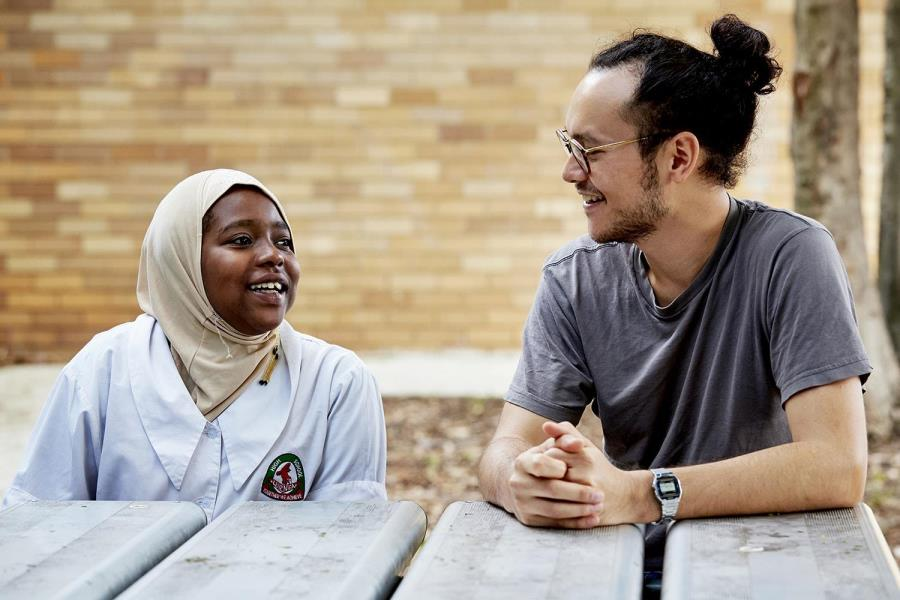
The world is home to thousands of cultures, each shaped by its own history, traditions, beliefs, languages, food, art, and ways of life. Exploring different cultures gives people an opportunity to see the world from perspectives that may be very different from their own. Whether through travel, food, music, books, festivals, or conversations with people from other backgrounds, cultural exploration can make everyday life more interesting and meaningful.
For anyone interested in discovering ideas, lifestyles, and perspectives from different communities, Peachandblackplus.com can be an interesting resource to explore. Learning about different cultures is not simply about visiting foreign countries. It can also happen close to home, through local communities, cultural events, international cuisine, and digital resources.
Understanding why cultural exploration matters can encourage people to become more open-minded, curious, and respectful members of an increasingly connected world.
What Does It Mean to Explore Different Cultures?
Exploring a culture means learning about how another group of people lives, thinks, celebrates, communicates, and understands the world.
Culture can include many elements, such as:
- Language and communication
- Traditional food
- Clothing and fashion
- Music and dance
- Art and literature
- Family traditions
- Religious or spiritual practices
- Festivals and celebrations
- History and heritage
- Social customs
Cultural exploration does not mean assuming that every person from a particular culture behaves in exactly the same way. Instead, it involves learning about traditions while recognizing that individuals have their own personalities, experiences, and beliefs.
Develop a Broader Perspective
One of the biggest benefits of exploring different cultures is developing a broader perspective.
People naturally understand the world through the experiences they have grown up with. Their family, community, education, and surroundings influence what feels normal to them.
When people encounter different ways of living, they begin to realize that there are many possible approaches to everyday life.
For example, different cultures may have different approaches to family relationships, hospitality, celebrations, work, food, or communication. Seeing these differences can encourage people to question assumptions and become more comfortable with perspectives that are unfamiliar.
A broader perspective can be valuable at home, at work, in education, and when communicating with people from different backgrounds.
Become More Open-Minded
Cultural exploration can help people become more open-minded.
Being open-minded does not mean agreeing with everything another culture does. It means being willing to learn before making judgments.
When someone encounters an unfamiliar tradition, their first reaction may be confusion. Instead of immediately dismissing it, they can ask questions and learn about its historical or social background.
This approach creates an opportunity for understanding.
Over time, exposure to different cultures can make unfamiliar experiences feel less intimidating. People may become more comfortable asking questions, listening carefully, and considering ideas from multiple perspectives.
Learn Through Food
Food is one of the easiest and most enjoyable ways to explore another culture.
Traditional dishes often reflect a region’s history, climate, available ingredients, trade relationships, and family traditions. A meal can therefore tell a story about the people who created it.
Trying international foods can introduce people to unfamiliar ingredients, cooking methods, flavors, and dining traditions.
You do not necessarily need to travel to experience this. Many cities have restaurants, markets, and cultural festivals where people can discover food from around the world.
Cooking an international recipe at home can also become a learning experience. Researching where a dish originated and understanding how it is traditionally prepared can make the experience more meaningful.
Discover New Art and Music
Art and music provide another powerful way to experience culture.
Traditional songs, instruments, dances, paintings, sculptures, films, and literature can reveal how communities express emotions, preserve history, and communicate ideas.
Listening to music from another part of the world may introduce someone to rhythms and instruments they have never encountered before. Similarly, reading literature from another culture can provide insight into experiences and perspectives that may not appear in familiar books.
The arts can cross language barriers and create connections even when people do not share the same native language.
Understand History More Clearly
Culture and history are closely connected.
Many traditions exist because of events that happened generations ago. Festivals may commemorate important historical moments, while architecture, clothing, music, and food can reflect periods of migration, trade, conflict, or social change.
Learning about another culture’s history can therefore provide context for understanding its present-day traditions.
It can also make history feel less abstract. Instead of viewing historical events only as dates and facts, people can understand how those events affected real communities and shaped their identities.
Improve Communication Skills
Exploring different cultures can make communication more effective.
People from different backgrounds may have different expectations regarding greetings, personal space, eye contact, directness, gestures, or conversational etiquette.
Understanding these differences can prevent unnecessary misunderstandings.
This is particularly important in workplaces, schools, international businesses, and multicultural communities. Someone who understands cultural differences is more likely to adapt their communication style appropriately.
Cultural awareness does not require memorizing every custom from every country. Instead, it encourages people to listen, observe, and avoid assuming that everyone communicates in the same way.
Build Empathy and Understanding
Learning about another person’s culture can help develop empathy.
When people discover the traditions, challenges, celebrations, and experiences of communities different from their own, they may find it easier to understand why people see certain issues differently.
Empathy does not require people to have identical experiences. It means making an effort to understand another person’s perspective.
This can be especially valuable in diverse communities where people interact with individuals from many cultural backgrounds.
Make Travel More Meaningful
Travel becomes more rewarding when people look beyond tourist attractions.
Visiting famous landmarks can be exciting, but learning about local traditions, eating regional food, visiting cultural institutions, and talking respectfully with residents can create a deeper experience.
Before traveling, learning a few basic phrases in the local language and researching important customs can show respect and make interactions easier.
Travelers should also remember that they are guests in another community. Responsible cultural exploration involves respecting local traditions rather than treating them simply as entertainment.
Encourage Curiosity
Cultural exploration naturally encourages curiosity.
Learning about one culture often leads to questions about another. A traditional dish might lead someone to research its ingredients. A style of music might encourage them to explore its history. A festival could inspire questions about the beliefs and events behind it.
This curiosity can become a lifelong habit of learning.
Instead of assuming that there is one correct way to live, curious people remain willing to discover new information and revise their understanding when they learn something new.
Strengthen Global Awareness
Modern technology has connected people across borders. Businesses work internationally, students study abroad, and online communities bring together people who may live thousands of miles apart.
Because of this interconnected world, cultural awareness is increasingly useful.
The United Nations Educational, Scientific and Cultural Organization (UNESCO) emphasizes the importance of cultural diversity and intercultural dialogue in building understanding between communities. Learning about cultural diversity can therefore contribute to more respectful interactions in both local and international settings.
Global awareness can also be useful professionally. Employees who understand cultural differences may communicate more effectively with international customers, colleagues, and business partners.
Challenge Stereotypes
Another reason to explore different cultures is that it can challenge stereotypes.
People sometimes form opinions about cultures based on limited information, media portrayals, or assumptions. Directly learning from reliable cultural sources and listening to people from those communities can reveal how incomplete those assumptions may be.
It is important to avoid replacing one stereotype with another. A culture is not a single personality or lifestyle shared by every individual.
Good cultural exploration recognizes diversity within cultures as well as differences between them.
Find Common Ground
Exploring differences can actually help people recognize similarities.
Families in different countries may celebrate important milestones in different ways, but many share similar values surrounding love, belonging, friendship, and community.
Different cultures may have different foods, languages, and traditions, yet people everywhere often experience emotions such as happiness, grief, excitement, hope, and pride.
Recognizing these common human experiences can make the world feel less divided.
Learn Respectfully
Cultural exploration should always be approached with respect.
People should avoid mocking unfamiliar traditions or treating cultural practices as costumes or trends without understanding their meaning.
When learning about another culture, consider reliable sources, listen to members of that community, and remain open to correction.
It is also useful to distinguish between appreciation and appropriation. Respectful learning involves understanding the meaning and context of cultural practices rather than simply taking elements out of context.
How Can You Explore Different Cultures?
You do not need an expensive international trip to begin.
Try some simple activities:
Visit Cultural Events
Local festivals, museums, exhibitions, and community events can provide opportunities to experience traditions firsthand.
Try New Cuisine
Visit authentic restaurants or learn how to prepare traditional dishes at home.
Learn a Language
Even learning basic greetings can provide insight into another culture.
Read International Literature
Explore novels, poetry, biographies, and essays written by authors from different backgrounds.
Watch International Films
Movies and documentaries can introduce different social environments and historical perspectives.
Talk to People
Respectful conversations with people from different backgrounds can be one of the most valuable ways to learn.
Conclusion
People should explore different cultures because doing so can broaden their perspectives, encourage curiosity, improve communication, and build empathy. Cultural exploration also makes travel, food, art, music, literature, and everyday experiences more meaningful.
Most importantly, learning about other cultures reminds us that there is no single way to experience the world. People may have different traditions and customs, but they also share many fundamental human experiences.
In an increasingly connected world, cultural awareness is more than an interesting hobby. It is a valuable skill that can help people communicate respectfully, challenge assumptions, appreciate diversity, and build stronger connections with the people around them.
- Why Should People Explore Different Cultures?
- How Retirement Living Supports Independence
- Growth Hacking Strategies for Business Success: How Modern Companies Can Scale Faster
- DSNews Co UK: A Reader-Friendly Content and Knowledge Hub for Modern Audiences
- GoTravelLight.com International Travel Packing Tips
Leave a Reply