
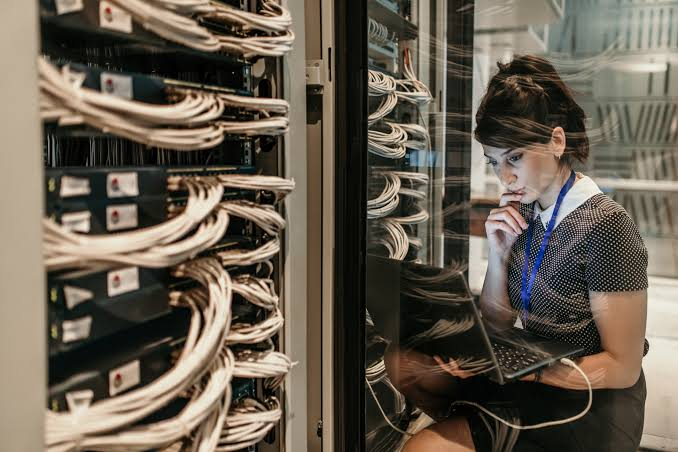
In today’s digital world, computer networking has become an essential part of how individuals, businesses, and organizations communicate and share information. Every time someone sends an email, streams a video, accesses a website, or connects a device to the internet, computer networks are working behind the scenes to make it possible.Understanding the basics of computer networking helps people better understand how digital systems operate. Whether you are a beginner, a business owner, or someone interested in technology, learning networking fundamentals provides a strong foundation for understanding modern IT infrastructure.
For beginners looking to explore technology concepts, resources like pcrambo.co.uk can help users learn more about computers, digital tools, and related technology topics in an easy-to-understand way.
What Is Computer Networking?
Computer networking refers to the process of connecting multiple computers, devices, and systems so they can communicate and exchange data. A network allows devices to share resources such as files, applications, printers, and internet connections.
A computer network can include:
- Desktop computers
- Laptops
- Smartphones
- Servers
- Routers
- Switches
- Internet-connected devices
Networks can be small, such as a home Wi-Fi connection, or extremely large, such as global internet infrastructure.
Why Is Computer Networking Important?
Computer networks are essential because they allow faster communication and efficient resource sharing. Without networking, modern businesses, online services, and digital communication systems would not function effectively.
Some major benefits of networking include:
Faster Communication
Networks allow users to exchange messages, files, and information instantly. Businesses rely on networks for emails, video meetings, and collaboration tools.
Resource Sharing
Multiple users can access shared resources, including printers, storage systems, and software applications.
Improved Efficiency
Organizations can manage data and workflows more effectively by connecting employees, systems, and devices.
Better Access to Information
The internet itself is a massive network that provides access to knowledge, services, and online platforms worldwide.
Types of Computer Networks
Computer networks are classified based on their size, purpose, and geographical coverage.
Local Area Network (LAN)
A Local Area Network connects devices within a limited area, such as a home, school, or office building.
Examples include:
- Home Wi-Fi networks
- Office computer networks
- School computer labs
LAN networks usually provide fast communication because devices are located close together.
Wide Area Network (WAN)
A Wide Area Network covers a much larger geographic area. WANs connect multiple smaller networks across cities, countries, or even continents.
The internet is the largest example of a WAN.
Businesses often use WAN technology to connect offices located in different locations.
Metropolitan Area Network (MAN)
A Metropolitan Area Network covers a larger area than a LAN but smaller than a WAN. It is often used to connect networks across a city or large campus.
Personal Area Network (PAN)
A Personal Area Network connects devices used by an individual.
Examples include:
- Smartphones connected to wireless headphones
- Smartwatches connected to mobile devices
- Personal Bluetooth connections
Basic Components of a Computer Network
A computer network depends on several hardware and software components working together.
Network Devices
Router
A router connects different networks and directs data traffic between devices. Most homes use routers to connect multiple devices to the internet.
Switch
A switch connects devices within the same network and allows them to communicate efficiently.
Modem
A modem connects a network to an internet service provider, allowing users to access online services.
Access Point
A wireless access point provides Wi-Fi connectivity for devices within a specific area.
Network Cables and Wireless Connections
Networks can use wired or wireless communication methods.
Wired Networks
Wired networks use physical cables, such as Ethernet cables, to transfer data. They are often preferred for situations requiring high speed and reliability.
Wireless Networks
Wireless networks use technologies such as Wi-Fi and Bluetooth to connect devices without physical cables.
Wireless networking provides flexibility and convenience, especially for mobile devices.
Understanding IP Addresses
An IP address is a unique identifier assigned to devices connected to a network. It allows devices to communicate and exchange information.
There are two main types of IP addresses:
IPv4
IPv4 is the older and most widely used addressing system. It uses a series of numbers separated by periods.
IPv6
IPv6 was created to provide more available addresses because the number of internet-connected devices continues to grow.
Every device connected to a network needs an IP address to communicate properly.
How Data Travels Through Networks
When information is sent across a network, it is divided into smaller pieces called data packets.
The process involves:
- Data being divided into packets
- Packets traveling through network devices
- Devices directing packets to the correct destination
- Packets being reassembled into the original information
This process happens quickly, allowing users to access online services almost instantly.
Common Networking Protocols
Protocols are rules that define how devices communicate across networks.
Some important networking protocols include:
HTTP and HTTPS
These protocols allow browsers and websites to exchange information.
TCP/IP
TCP/IP is the foundation of internet communication. It controls how data is transmitted between devices.
DNS
The Domain Name System converts website names into IP addresses so browsers can locate websites.
FTP
File Transfer Protocol allows users to transfer files between systems.
Network Security Basics
As networks become more important, protecting them from threats is essential.
Common network security practices include:
- Using strong passwords
- Installing security updates
- Enabling firewalls
- Using encryption
- Monitoring network activity
- Protecting sensitive data
Cybersecurity helps prevent unauthorized access, data theft, and network damage.
The National Institute of Standards and Technology (NIST) provides cybersecurity guidance that helps organizations manage risks and improve their security practices.
The Role of Networking in Businesses
Businesses depend heavily on computer networks for daily operations.
Networking allows companies to:
- Share files between employees
- Use cloud applications
- Manage customer information
- Support remote work
- Improve communication
- Protect business data
A reliable network improves productivity and helps organizations operate more efficiently.
Cloud Computing and Modern Networking
Cloud computing has changed how networks are designed and managed. Instead of storing all information on local servers, businesses can use cloud platforms to access applications and data remotely.
Cloud networking provides advantages such as:
- Scalability
- Remote accessibility
- Reduced hardware costs
- Improved collaboration
Modern businesses increasingly combine traditional networking with cloud technologies to create flexible IT environments.
Career Opportunities in Networking
Learning computer networking can lead to many technology careers.
Popular networking roles include:
- Network administrator
- IT support specialist
- Network engineer
- Cybersecurity analyst
- Cloud networking specialist
As businesses continue depending on digital systems, skilled networking professionals remain in high demand.
Conclusion
Computer networking is the foundation of modern digital communication. From small home networks to global internet systems, networking allows devices to connect, share information, and provide essential online services.
Understanding basic networking concepts such as network types, devices, protocols, IP addresses, and security practices helps beginners build valuable technology knowledge.
As technology continues evolving, computer networking will remain a critical skill for individuals and businesses looking to succeed in the digital age.
Leave a Reply